
GSMA to strengthen early warning systems across the Pacific
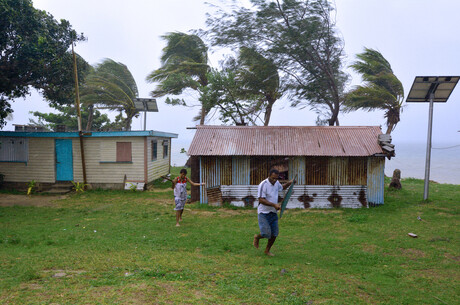
The GSMA has secured a US$1.2 million subaward from the US National Oceanic and Atmospheric Administration (NOAA) to strengthen mobile-enabled early warning systems across nine Pacific Island countries.
Early warning systems help communities prepare for hazards and take action to protect lives and livelihoods. Getting a warning to people quickly, with clear instructions on what to do, is a critical part of that process. The GSMA advocates integrating mobile alerts into national early warning systems alongside radio, television and community-based channels, helping warnings reach people with different connectivity and communication needs.
The new funding will support the rollout of cell broadcast technology in the Cook Islands, Fiji, Kiribati, Nauru, Niue, Samoa, Solomon Islands, Tuvalu and Vanuatu. Cell broadcast allows authorised agencies to send emergency alerts simultaneously to compatible mobile phones within a defined area, as demonstrated in Australia with the AusAlert system earlier this year. Such alerts can reach large numbers of people quickly and directly, without being delayed by the congestion that can affect calls and text messages during emergencies.
Through its Mobile for Humanitarian Innovation program, the GSMA will work with mobile network operators, national disaster management authorities, regulators and other local partners to support the delivery of these services, addressing both technical readiness and the procedures needed to issue warnings. Cell broadcast activities will be led by the GSMA under the Pacific Multi-Hazard Early Warning Systems Communication & Tools Project, working in close coordination with the University Corporation for Atmospheric Research (UCAR) through its COMET Program.
“Mobile networks are a crucial channel to reach people with lifesaving information in advance of disasters,” said Kimberly Brown, Head of Mobile for Humanitarian Innovation & Emerging Tech at the GSMA. “Sustained investment and longstanding partnerships between governments, mobile operators and a broad constellation of partners are vital to develop and deliver national early warning systems.
“This funding from NOAA will accelerate the implementation of mobile-enabled early warning systems in nine Pacific Island countries and will build on existing partnerships that share a commitment to saving lives, protecting livelihoods, and building long-term disaster resilience across the region.”
Govt announces legislation to protect Defence bases from drones
The legislation provides Defence with an enduring legislative authority to conduct...
Triple Zero could soon be contacted via text
The Triple Zero Custodian is testing whether direct SMS could provide a safe and effective way...
AI use among first responders has nearly tripled
The sixth annual Verizon Frontline Public Safety Communications Survey reveals a rapid...


